
When people think of African safaris, the "Big Five" often come to mind—lion, leopard, elephant, rhino, and buffalo. However, there’s another fascinating group of animals that offer a different yet equally thrilling experience—the "Small Five."
These lesser-known creatures may not be as famous, but they provide a unique opportunity for wildlife enthusiasts to appreciate the richness of Africa’s biodiversity.
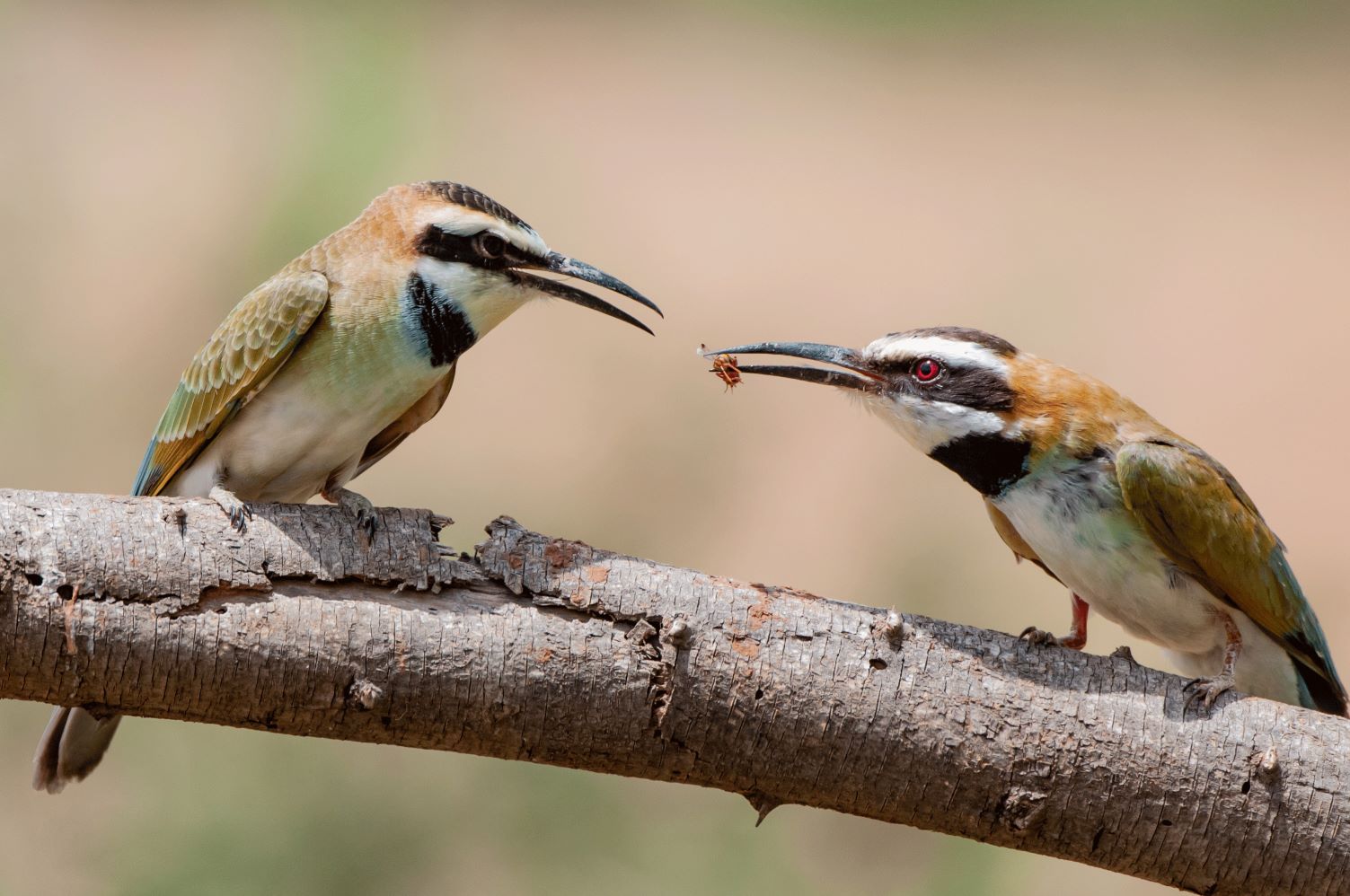
The term "Small Five" was coined as a counterpart to the Big Five, highlighting smaller but equally fascinating animals that share names with their larger counterparts:
While traditional safaris focus on spotting large mammals, Small Five safaris offer a different kind of thrill—one that requires patience, keen observation, and an appreciation for the smaller wonders of nature. Here’s why they provide a unique experience:
Small Five safaris can be enjoyed in many of Africa’s renowned parks, including the Maasai Mara in Kenya, Kruger National Park in South Africa, and Serengeti National Park in Tanzania. With a knowledgeable guide, you’ll gain insights into the behaviors, habitats, and ecological roles of these fascinating creatures.
A Small Five safari is more than just an alternative to the Big Five experience—it’s an opportunity to slow down, observe nature’s tiny marvels, and gain a newfound appreciation for the intricate web of life. Whether you're a seasoned safari-goer or a first-time visitor, embracing the world of the Small Five will leave you with unforgettable memories and a deeper respect for Africa’s diverse wildlife.
Would you consider adding a Small Five safari to your next adventure? Let us know in the comments!
As we continue through 2025, web development practices will further evolve, embracing new technologies while maintaining a strong foundation in performance, accessibility, and user experience. Staying updated with these trends and best practices is crucial for developers looking to build modern, scalable web applications.
Copyright © Small Five Safaris. All Rights Reserved.
Send a comment